
Helping SVT and Bolibompa stay relevant for children aged 1–4
Parents documented every TV viewing occasion over three days. The study showed how families choose content and what engages children aged 1–4, giving Bolibompa clear direction for future content.
- Client
- SVT / Bolibompa
- Industry
- Public service media
- Methods
- Mobile ethnography, Commented photos and screenshots
- Sample
- Families with children aged 1–4, three days including a Saturday
- Deliverables
- Content characteristics that engage, Family decision-making insight, Recommendations for future content
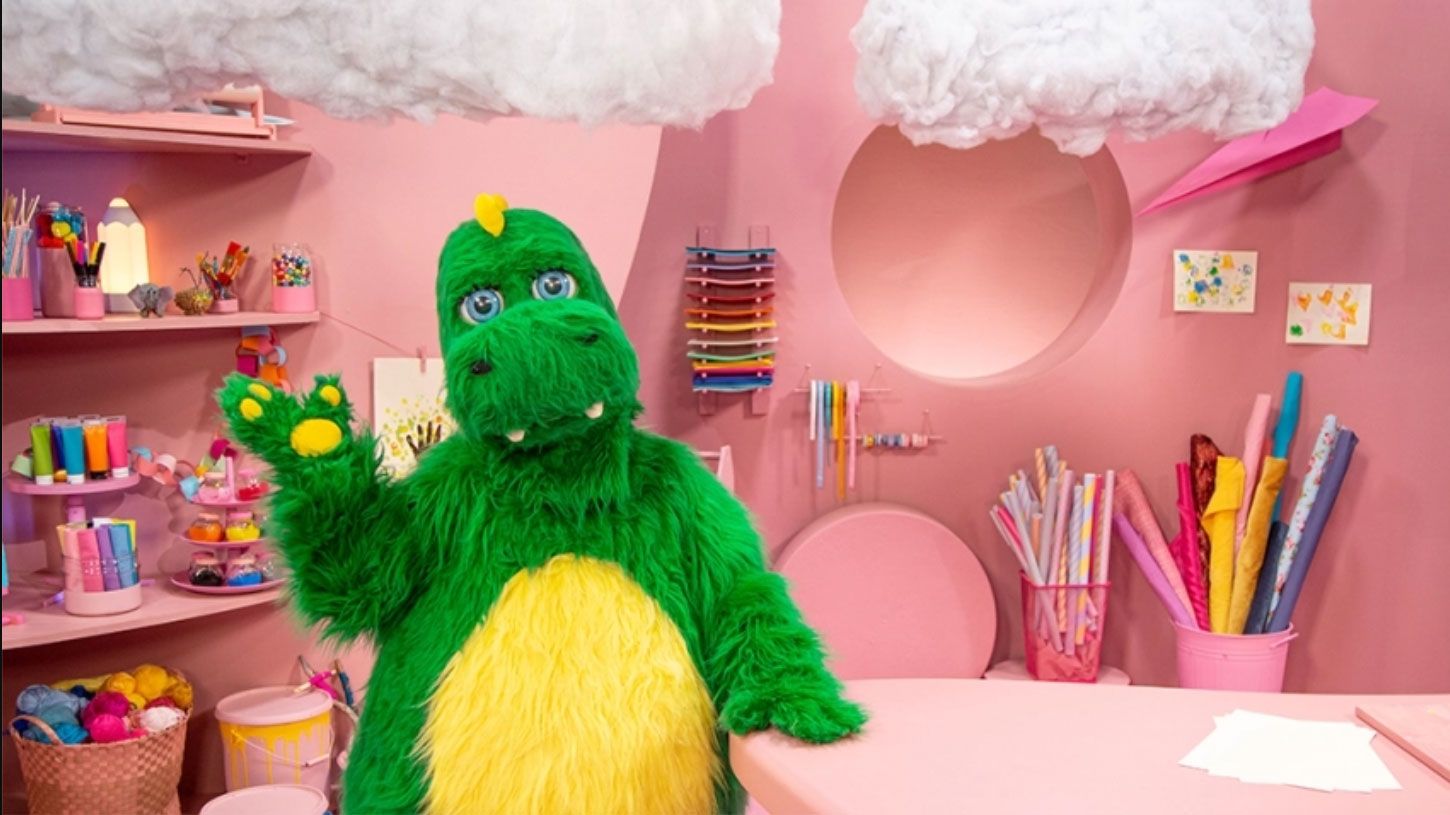
Bolibompa is Sweden’s most beloved TV brand for preschool children. It features the friendly Dragon and all of the Dragon’s friends in entertaining, educational, and age-appropriate programs designed for the youngest viewers.
Challenge
To continue creating relevant content, it is essential to maintain a deep and up-to-date understanding of the audience. In this project, the focus was on children aged 1–4 and their families.
Approach
Using mobile ethnography, parents documented every TV viewing occasion over a three-day period, covering both weekdays and a Saturday. Through a series of carefully designed tasks, we explored when children watched, what they watched, how viewing choices were made, who influenced those choices, and how much screen time they were allowed.
Parents also uploaded commented photos and screenshots from the viewing sessions, providing rich contextual insight into the streaming platforms and services they used, as well as the content featured in the children’s favourites lists.
Outcome
The study identified the content characteristics that engaged children most, as well as those that failed to capture their attention. By combining the perspectives of both parents and children, the research revealed how family viewing decisions are made in practice and provided clear, actionable recommendations to help Bolibompa develop future content that remains relevant, engaging, and aligned with the needs of today’s young audience.
Rather than relying on assumptions, the study uncovered emerging viewing habits and unmet needs, creating a clear direction for future content innovation.